



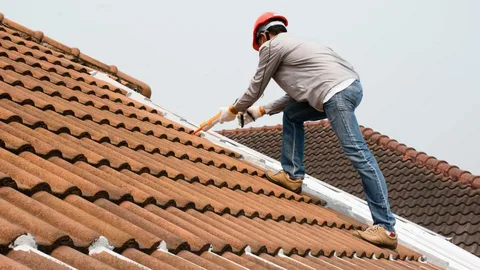
If you’ve lived in Richland long enough, you know the weather here has its own personality. Long, dry summers that bake everything. A winter that swings between icy mornings and surprise winds. Rain that comes in short bursts but hits hard when it does. All of that shows up on your roof sooner or later. And understanding the issues before they get out of hand can save you from scrambling for roofing services in Richland WA, when the damage is already done.
10 Roofing Issues Homeowners in Richland Face Most Often
Here’s what homeowners deal with most often in this climate and what those early warning signs look like.
1. Heat Damage From Long, Intense Summers
Richland summers get hot. Not warm. Hot. The kind of heat that makes shingles dry out, curl upward, or start losing granules faster than normal.
Common signs include:
- Brittle shingles
- Patchy or faded areas
- Granules collecting in gutters
- Edges lifting in subtle ways
Once shingles dry out, they stop protecting the roof deck and leaks start creeping in.
2. Thermal Shock From Fast Temperature Swings
This area is famous for daytime heat followed by chilly nights. That expansion and contraction cycle puts the roof under stress. Over time, the materials flex too often and eventually crack.
You might notice:
- Hairline cracks
- Sudden leaks after a cold night
- Shingles splitting in the center
It’s sneaky damage because it doesn’t happen in a dramatic way. It happens quietly, day after day.
3. Wind Damage From Seasonal Gusts
Richland winds do not play around. Even a “normal” windy day here can push shingles around.
Wind issues usually show up as:
- Lifted shingles
- Shingles bent backward
- Missing shingle strips after storms
- Loosened flashing around chimneys or vents
Wind damage looks small at first, but one lifted corner is all water needs to slip beneath the surface.
4. Flashing Failures Around Chimneys and Vents
Flashing is one of the smallest pieces of roofing, but it causes some of the biggest headaches. In Richland, the temperature swings weaken sealants around flashing faster than usual.
Problems appear as:
- Leaks around chimneys
- Damp ceilings near bathrooms or kitchens
- Staining near roof joints
- Mold in attic corners
If flashing fails, the leak often spreads quietly before anyone notices.
5. Moss and Algae Growth After Rainy Stretches
Richland is dry most of the year, but when the rain comes, it creates the perfect setup for moss and algae to take hold.
Watch for:
- Green or dark streaks
- Soft, damp patches
- Moss growing beneath lifted shingles
- Slippery roof areas
Moss traps moisture under the shingles. That moisture eventually weakens the structure and accelerates aging.
6. Gutter Backups From Seasonal Debris
Leaves, needles, dust, everything blows into gutters here. When gutters clog, water spills back toward the shingles and siding.
Signs of gutter related issues include:
- Water stains on siding
- Pooling water near the foundation
- Sagging gutters
- Shingle edges softening or crumbling
Gutters are simple, but they control how well the whole system drains.
7. Ice Damming in Winter
It does not happen every year, but when winter brings freezing temperatures after rainfall, ice dams can form along the edges of the roof.
Effects include:
- Water hiding beneath shingles
- Interior leaks
- Soaked insulation
- Roof deck rot
Even one ice event can cause months of slow, hidden damage.
8. Ventilation Problems That Build Over Time
Richland’s hot summers make ventilation essential. Without proper airflow, heat builds in the attic and cooks the roof from underneath.
Early signs include:
- Unusually hot attic air
- Curling shingles
- Higher energy bills
- Musty odors
- Condensation in winter
Good ventilation helps the roof handle wild temperature swings and keeps the whole house healthier.
9. Aging Roofs That Don’t Keep Up With the Climate
Even well built roofs eventually struggle with the constant sun exposure here. Any roof approaching the 15 to 20 year mark in Richland needs close attention.
You may see:
- Cracking
- Recurring leaks
- Multiple repairs in the same areas
- Shingles that crumble when touched
Age plus climate stress speeds up replacement time.
10. Poor Past Repairs That Fall Apart Fast
One of the most common issues in Richland is simple: bad repairs from the past. Patch jobs that used mismatched shingles, flashing applied with too little sealant, or repairs done in extreme heat or cold that never bonded properly.
How to spot it:
- Repairs that fail after one season
- Mismatched materials
- Sealant peeling away
- Leaks returning in the same location
Bad repairs cost more later than doing it right the first time.
Conclusion
Richland’s climate shapes everything about how a roof ages. Extreme sun, sharp temperature drops, gusty winds, and the occasional winter freeze all push roofing materials to their limits. Knowing the most common issues gives you a head start. You can spot the curling shingles, the lifted corners, the moss patches, the clogged gutters, and the early signs of leaks before they spiral into major repairs. When you stay ahead of these problems, you keep your home protected and save yourself from emergency calls for roofing services in Richland WA later. A little attention goes a long way in a climate like this.
