



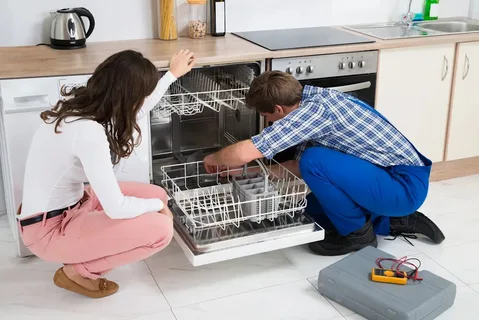
Most people do not think about their dishwasher until it stops working the way it should. One day, the dishes come out spotless, and the next, there is a puddle forming under the door or a grinding sound that was definitely not there last week. The frustrating part is not always the problem itself. It is not known whether this is a straightforward fix or whether something more serious is going on inside the machine.
Some dishwasher problems genuinely are quick. A dirty filter, a blocked spray arm, a misaligned rack guide. Others look simple on the surface but point to something wearing out inside the machine. Getting that distinction right is what saves you from overpaying for a service call on something trivial or ignoring a warning sign until it becomes water damage.
Here is a practical breakdown of what the most common dishwasher issues actually mean and how to figure out when professional dishwasher repair is the right move.
Dishwasher Not Cleaning Properly: What This Issue Actually Means
This is the complaint that brings most people to a search engine. The dishes look dull, there is grit on the plates, or the glasses come out cloudier than they went in. Before assuming something is broken, two things fix this more often than people expect.
Checking the Filter and Spray Arms First
Most homeowners have never touched the filter in their dishwasher. Machines made in the last decade use a manual filter at the base of the tub that catches food debris so it does not recirculate during the wash. It needs regular cleaning, and when it goes months without attention, performance drops noticeably.
How to Clean the Dishwasher Filter
Pull the filter out, rinse it under hot water, and work a soft brush through the mesh. If it has been sitting in there for a long time without cleaning, what comes out will explain a lot about why your dishes are not coming clean.
How to Check and Clear the Spray Arms
The spray arms have small holes that direct water across every part of the tub. Hard water minerals and food particles build up in those holes over time and reduce pressure gradually. Remove the arms, soak them in white vinegar for twenty minutes, and clear each hole with a toothpick.
When Cleaning Issues Point to a Deeper Problem
Clean filter, clear spray arms, still dirty dishes. That combination points toward the wash motor or the water inlet valve. The wash motor generates pressure that drives water through the arms. The inlet valve controls how much hot water enters at the start of each cycle. When either begins to fail, cleaning performance drops in ways no surface fix can address. Both require internal disassembly to access, and calling a technician at this point is the right move rather than attempting the repair without the proper tools.
Dishwasher Not Draining After a Cycle
A small amount of standing water at the bottom of the tub is actually intentional in most dishwasher designs. It keeps the door seals from drying out. A visible pool covering the entire floor of the tub after a finished cycle is not normal.
Common Causes of Dishwasher Drainage Problems
Kinked or Blocked Drain Hose
The drain hose connects the dishwasher to either the garbage disposal or the sink drain. It can develop a kink if the machine was recently moved or pushed too far into a tight cabinet space. A kinked hose is easy to spot and straightforward to fix.
The Garbage Disposal Knockout Plug
If the drainage problem appeared right after a garbage disposal was installed, check whether the knockout plug inside the disposal inlet was removed. It is a small plastic plug that blocks the dishwasher port by default. Forgetting to remove it creates a complete drainage block that is frequently mistaken for a pump failure.
When the Drain Pump Needs Attention
If the hose is clear and the filter is clean, but water is still sitting in the tub, the drain pump is the most likely cause. This component actively pushes water out at the end of each cycle. It can fail because something jammed the impeller or because the motor has worn out. Getting to the pump requires disconnecting electrical parts of the machine, and a technician can assess whether the impeller is jammed or whether the motor itself needs replacing.
Dishwasher Leaking: A Repair Issue You Should Not Ignore
A leak is the one dishwasher problem that gets more expensive the longer it is ignored. Water works into the subfloor quickly, and a minor drip can become a flooring or cabinet problem within a few weeks.
Identifying Where the Leak Is Coming From
Door Gasket Wear
The door gasket is the rubber seal lining the inside perimeter of the door. Over time, it cracks, hardens, or separates from the channel it sits in. Even a small gap is enough for water to escape during the wash. Replacement gaskets press into place without special tools and are one of the more approachable repairs for a homeowner.
Door Latch Problems
A latch that does not engage fully can prevent the door from pressing firmly against the gasket, reducing the seal enough for water to escape during high-pressure wash phases. Test whether the door clicks solidly shut. If it feels loose, the latch assembly is worth inspecting first.
Leaks Coming from Underneath the Dishwasher
A leak from under the unit has a different set of causes. It could be a cracked pump housing, a loose internal hose connection, or a failing water inlet valve. None of these is visible without pulling the dishwasher forward and getting underneath it. A technician can trace the source and tell you whether the problem is isolated to one part or whether multiple components are involved.
Unusual Noises During the Wash Cycle
Motor hum, water movement, and the occasional thud from a shifting item in the rack are all normal. What stands out is a sound that is new or grows louder over several cycles.
Types of Dishwasher Noises and What They Mean
Grinding Sounds
A grinding noise almost always means something dropped into the tub and is making contact with the spray arm or pump impeller. Stop the cycle, check the bottom of the tub, and remove anything that does not belong. Left in place, debris can chip the impeller blades and turn a two-minute fix into an actual repair.
Persistent Humming Without Normal Wash Action
A loud hum running through the entire cycle without effective washing or draining is a sign that the motor is struggling. The noise tends to worsen gradually before the motor stops entirely. Addressing it early is almost always cheaper than waiting for a full failure.
Dishwasher Not Starting or Stopping Mid-Cycle
Basic Checks Before Assuming a Mechanical Failure
Check whether the door is latching completely. Most machines have a sensor that prevents any cycle from running unless the latch is fully engaged. Also, check the circuit breaker. A tripped breaker is easy to overlook when the machine appears completely dead.
If the machine starts but stops before finishing, check the display for a fault code and cross-reference it with the owner’s manual. These codes often point directly to the failing part and sometimes identify something a homeowner can handle without a service call.
When the Control Board Is the Problem
Random stops with no error code are often a sign that the control board is losing reliability. The board manages every function in the machine. Replacing it is a professional repair, and doing it incorrectly tends to create problems that go beyond whatever was wrong originally.
FAQs
Why do my dishes come out with a white film even after a full cycle?
Hard water is the usual cause. Minerals leave deposits on dishes during drying. Increasing your rinse aid setting and running a dishwasher cleaner through an empty cycle once a month helps considerably. If the problem persists, a whole-home water softener is worth considering.
My dishwasher smells terrible. Is something wrong with it?
A sour or musty smell almost always points to food debris trapped in the filter, the door gasket folds, or the bottom of the tub. Clean the filter, wipe the gasket with a damp cloth, and run an empty cycle with white vinegar on the top rack. A burning smell is different. Turn the machine off and do not run it again until a technician has inspected it.
Is a leaking dishwasher actually dangerous?
It can be. Water that reaches electrical wiring under the unit creates a genuine shock and fire risk. If you notice water coming from underneath and cannot identify an obvious surface cause, turn off the circuit breaker for that appliance and call for service.
Takeaway
Dishwasher issues are rarely mysterious once you know what to look for. A dirty filter explains a lot. A kinked drain hose explains a lot. A cracked door gasket explains a lot. The repairs that genuinely require a technician, such as a failing motor, a dead control board, or an internal leak, each show up clearly once the simpler explanations have been ruled out.
Work through the basics first, and if they do not resolve it, bring in someone who does this every day. For Charlotte-area homeowners who want that kind of honest and no-guesswork approach, CLT Appliance Repair is a local repair service worth keeping in mind. They work across all major appliance brands and are available seven days a week, making them a practical option for any dishwasher issue that goes beyond what a filter cleaning can fix.
