



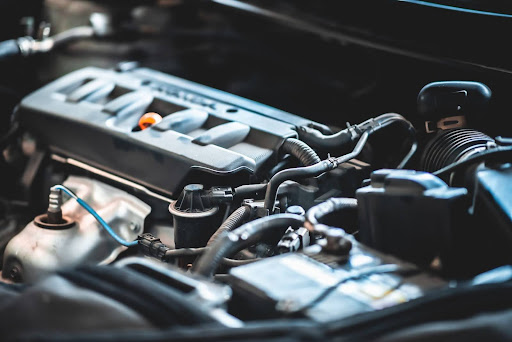
Mazda’s Engineering Philosophy
Mazda has distinguished itself in the automotive industry through its commitment to engineering innovation and driving enjoyment. The company’s philosophy emphasizes the emotional connection between driver and machine, pursuing technological solutions that enhance engagement rather than isolate drivers from the driving experience. This approach has produced memorable vehicles and impressive engineering achievements, from rotary engine development to modern SkyActiv technology. At the foundation of Mazda’s success lie its powertrains, which consistently deliver smooth operation, responsive performance, and remarkable reliability.
Replacement Engine Pathways
When Mazda engines require replacement due to wear, damage, or project requirements, owners face several options with distinct characteristics and considerations. New engines directly from dealerships provide factory-fresh components with comprehensive warranty coverage but command premium prices that can seem disproportionate to vehicle values, particularly for older models or discontinued variants. Remanufactured engines offer intermediate alternatives, with rebuilders attempting to restore used engines through varying levels of disassembly, inspection, and parts replacement. Quality in this segment varies significantly based on rebuilder standards and the thoroughness of restoration efforts.
JDM Mazda Engines
Japanese Domestic Market engines present compelling alternatives for Mazda owners seeking replacement powerplants. These engines offer distinct advantages beginning with their typically excellent condition and lower accumulated mileage. High quality JDM Mazda engines sourced from Japan frequently feature 40,000 to 70,000 miles compared to substantially higher mileage typical of domestic salvage engines. This difference stems from Japan’s unique vehicle lifecycle, where cars are replaced more frequently due to escalating inspection requirements and cultural preferences for newer vehicles. The result is a consistent supply of quality engines with significant remaining service life available at prices making them attractive for restoration projects, replacement needs, or performance applications.
Mazda Engine Evolution
Understanding Mazda’s engine offerings helps guide appropriate selection for specific applications. The company has developed diverse powertrains throughout its history, from compact four-cylinder engines in economy cars to sophisticated turbocharged units in performance models. The legendary rotary engines, while no longer in production, remain sought after by enthusiasts for their unique characteristics and historical significance. Modern SkyActiv engines represent Mazda’s current engineering philosophy, featuring high compression ratios, optimized combustion chambers, and efficient operation. Each engine family presents unique characteristics, strengths, and considerations for buyers evaluating replacement or upgrade options.
Compatibility Essentials
Compatibility verification represents one of the most important steps when considering any replacement engine. While Mazda maintains some consistency across its lineup, specific engine applications vary based on model year, chassis designation, emission requirements, and market destination. Physical fitment involves matching mounting points, accessory locations, and transmission connections. Electronic compatibility requires ensuring that engine management systems can properly communicate with existing vehicle computers and sensors. Differences in wiring harnesses, sensor types, and control strategies between models and markets can complicate installations. Thorough research and consultation with knowledgeable suppliers helps navigate these complexities and prevents expensive mistakes.
Condition Assessment
Condition assessment for used engines requires careful attention to multiple indicators. External appearance provides initial information about maintenance history and care, with clean, well-maintained engines suggesting conscientious ownership. Internal condition ultimately determines engine health and remaining service life potential. Compression testing reveals cylinder condition and valve sealing quality, critical factors for predicting reliability and longevity. For turbocharged engines, turbocharger condition significantly affects overall engine value and performance potential. Rotary engines require specialized assessment procedures examining apex seal condition, rotor housing wear, and other unique components. Reputable suppliers perform comprehensive evaluations before offering engines for sale, providing documentation that gives buyers confidence about component condition.
Installation Planning
Installation considerations extend beyond simply replacing one engine with another. Direct replacements of failed engines with identical units represent the most straightforward scenario, though even these installations require attention to timing setup, torque specifications, and proper fluid fills. Some enthusiasts pursue engine swaps, installing different powerplants than originally equipped. These projects can range from relatively simple to highly complex depending on the specific engines and vehicles involved. Popular swaps often have documented procedures and available adapter components, while unusual combinations may require extensive custom fabrication. Professional installation by technicians experienced with Mazda vehicles typically produces the best results, ensuring reliable operation and avoiding common pitfalls.
Maintenance for Longevity
Maintenance practices significantly influence engine longevity regardless of whether you install new, remanufactured, or imported powerplants. Regular oil changes using quality lubricants appropriate for your specific engine prevent premature wear and maintain optimal operation. Mazda engines generally prove quite durable when properly maintained, with many examples exceeding 200,000 miles with routine service. Rotary engines have specific maintenance requirements including attention to oil metering systems and apex seal condition. Modern SkyActiv engines benefit from using recommended fuel grades and maintaining proper operating temperatures. Following manufacturer service intervals and monitoring engine condition helps ensure long, trouble-free operation.
Cost Analysis
Cost analysis demonstrates why imported engines appeal to Mazda owners. Purchase prices for quality used engines from Japan typically fall substantially below new OEM engine costs, often representing savings of thousands of dollars. Compared to remanufactured options, imported engines frequently offer better value through lower mileage and superior overall condition at similar or lower prices. Shipping costs from Japan add to the total investment, but efficient logistics keep these expenses manageable. For owners of older or discontinued models, imported engines may represent the only practical option for replacement or restoration. The complete investment including shipping and installation usually provides excellent value for owners seeking reliable, long-lasting solutions.
Environmental Responsibility
Environmental considerations add depth to the appeal of imported used engines. Manufacturing new engines consumes enormous quantities of energy and raw materials through extensive industrial processes. Remanufacturing uses less energy than new production but still requires significant resources. Reusing functional engines from Japanese vehicles represents the most sustainable approach, extending component useful life while preventing waste. This strategy conserves resources, reduces energy consumption, and minimizes environmental impact associated with vehicle maintenance. As environmental awareness grows, choosing sustainable options becomes increasingly important to conscientious vehicle owners.
Performance Characteristics
Performance characteristics vary among different Mazda engine options, with some designs better suited for specific applications than others. Four-cylinder engines balance efficiency and adequate power for daily driving, with turbocharged variants offering enhanced performance. The legendary rotary engines provide unique high-rpm characteristics and compact packaging, though they require specific care and understanding. Modern SkyActiv engines deliver impressive combinations of efficiency and responsiveness through advanced engineering. Understanding each engine’s strengths and characteristics helps buyers select appropriate options for their specific needs and intended uses.
Warranty and Support
Warranty protection and supplier support significantly influence the overall value proposition when evaluating engine replacement options. Reputable importers of Japanese engines typically offer warranties covering mechanical defects for specified periods or mileage limits, protecting buyers against unforeseen issues. These guarantees demonstrate supplier confidence in their products and provide peace of mind for buyers making substantial investments. Clear communication, responsive customer service, and technical expertise help buyers navigate the selection process and address questions arising during purchase or installation. These support services distinguish professional operations from less reliable sources and contribute substantially to successful outcomes.
Future Outlook
The future of Mazda engine availability looks stable given the brand’s loyal following and continued production of engaging vehicles. Mazda’s focus on driving enjoyment and engineering integrity attracts owners who appreciate the company’s philosophy and tend to maintain their vehicles carefully. As these vehicles age, the availability of cost-effective, high-quality replacement engines becomes increasingly important to owners wanting to preserve their investments. The combination of proven reliability, competitive pricing, and sustainable sourcing makes imported engines excellent choices for Mazda owners seeking optimal value and continued enjoyment from their vehicles.
