



You walk into a room, and your eyes immediately land on the rug. It anchors the space. It adds warmth. But not all rugs do this job equally well. In the world of textiles, a massive gap exists between a rug made by a machine in minutes and one crafted by human hands over months.
The difference lies in the knot.
Hand-knotted rugs are the gold standard of floor coverings. They represent an investment in art, history, and durability. At The Ambiente, we believe knowing how your rug is made changes how you value it. This guide breaks down the painstaking process behind these pieces and why the knotting technique matters more than you think.
The Science and Art of the Knot
To understand the value of Hand Knotted Rugs, you must first understand the process. It is not weaving in the standard sense. It is construction.
How It Works
An artisan sets up a vertical loom. Vertical threads, known as the warp, stretch from top to bottom. The weaver takes a piece of wool or silk yarn, ties it around two warp threads, cuts the yarn, and moves to the next pair.
They repeat this thousands of times. After completing a row, they insert a horizontal thread, called the weft, to hold the knots in place. They then beat the row down with a heavy comb to pack the knots tightly.
This happens knot by knot, row by row. A single 8×10 rug can contain anywhere from 500,000 to over a million individual knots. Depending on the complexity, one rug takes anywhere from six months to a year to complete.
Types of Knots
Two main knots dominate the industry:
- The Persian Knot (Senneh Knot): This is an asymmetrical knot. It allows for intricate, flowing, and curvilinear designs. It is common in rugs from Iran, India, and Pakistan.
- The Turkish Knot (Ghiordes Knot): This is a symmetrical knot. It is incredibly secure and often appears in rugs with geometric or block-like patterns.
Both techniques result in a durable product, but the type of knot often dictates the style of the pattern.
Why Knotting Matters
You might ask, “Why should I care about knots if the rug looks good?” The answer comes down to three factors: lifespan, texture, and value.
Unmatched Durability
Machine-made rugs typically use glue/latex to hold the fibers to a backing material. Over time, glue dries, cracks, and releases the fibers. The rug sheds and falls apart.
A hand-knotted rug has no glue. The structural integrity comes from the friction of the knots themselves. The more you walk on it, the tighter the knots often become. This is why you see hand-knotted rugs in museums or inherited as family heirlooms. They last for generations, not just a few years.
Density and Detail
Think of knots like pixels on a screen. A higher knot count (measured in Knots Per Square Inch, or KPSI) means a higher resolution. More knots allow for sharper details and more complex curves in the design. High-density rugs also feel denser and more plush underfoot.
The Human Touch
Every hand-knotted rug is unique. Because a human ties every knot, you get subtle variations in tension and color that a machine cannot replicate. These imperfections are not flaws; they are the fingerprint of the maker.
The Ambiente: Where Tradition Meets Modernity
At The Ambiente, we take this ancient technique and apply it to modern living. Based in Bhadohi, the heart of Handcrafted Rugs in India, our roots run deep. Our parent company, Bhadohi Carpets, brings over 30 years of manufacturing expertise to the table.
Founders Avani Khandelwal and Ayush Baranwal realized that while the technique should remain traditional, the designs needed an update. We blend the structural integrity of old-world rug making with contemporary aesthetics suitable for modern Indian homes.
Empowering the Hands That Weave
The true power behind our rugs lies in our workforce. We work with a network of over 4,000 women weavers. In an industry often dominated by men, we prioritize providing sustainable livelihoods for women in rural India. When you purchase from The Ambiente, you support an ecosystem that values the artist as much as the art.
Buying Hand-Knotted Rugs Online
The digital age makes it easier than ever to access premium textiles. However, when you decide to buy rugs online India offers a massive marketplace that can be overwhelming. Here is how to ensure you get the real deal.
Check the Back of the Rug
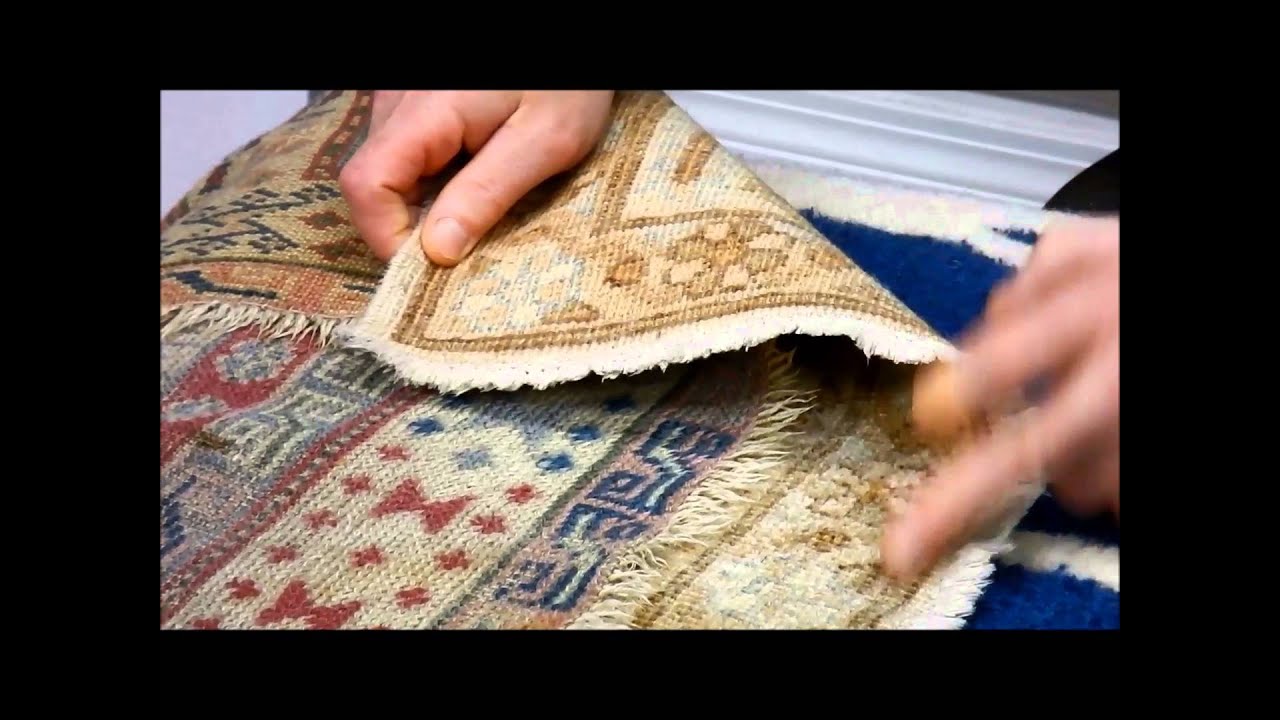
This is the most critical test. On a machine-made rug, the back often has a mesh or canvas backing glued over it. On a hand-knotted rug, the pattern on the back mirrors the pattern on the front perfectly. You should see the individual knots.
Look for KPSI Information
Reputable sellers list the Knots Per Square Inch. A standard quality rug might have 100 KPSI, while fine quality goes up to 200 or 300 KPSI. If a seller hides this number, ask for it.
Assess the Materials
High-quality hand-knotted rugs use natural fibers like wool, silk, or a blend of both. Synthetic materials like polypropylene usually signal a machine-made product. Wool offers resilience and stain resistance, while silk adds a luxurious sheen.
Return Policies Matter
Photos can deceive. Colors shift depending on your screen. Always choose a store with a clear return policy. You need to see the rug in your space, in your lighting, to know if it works.
The Final Thread
A rug defines the mood of a room. It creates boundaries, adds comfort, and introduces color. A machine-made rug is a temporary fix. A hand-knotted rug is a permanent asset.
The knotting technique offers resilience that glue cannot match and artistry that machines cannot mimic. At The Ambiente, we bridge the gap between Bhadohi’s heritage and your living room. We invite you to browse our collections and see the difference a knot makes.
