



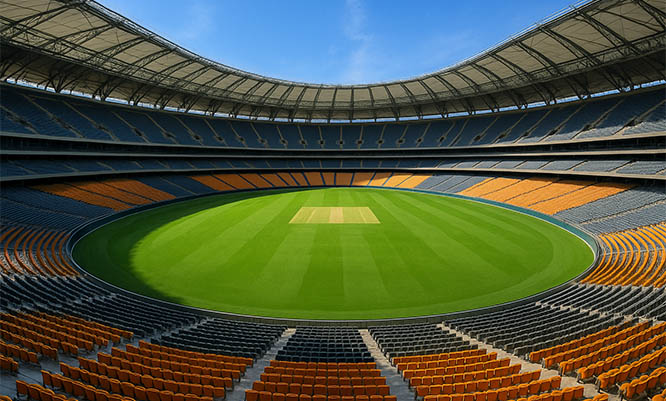
Cricket, one of the world’s most beloved sports, has always evolved alongside technology — from the introduction of DRS to the rise of data analytics. Now, that same technological revolution is transforming the very heart of the game: the stadiums. Modern cricket venues are no longer just places for fans to watch matches; they are becoming smart arenas designed to enhance the spectator experience, improve player performance, and make operations more efficient.
The Rise of Smart Stadium Technology
Smart stadiums use advanced technology such as artificial intelligence, Internet of Things (IoT) sensors, high-speed connectivity, and data analytics to create an interactive and seamless environment for fans and organizers alike.
In cricket, this transformation Jeetbuzz is becoming increasingly visible in major venues such as the Narendra Modi Stadium in India, the Melbourne Cricket Ground in Australia, and Lord’s in England — all of which are integrating digital systems to redefine how the game is experienced.
Enhanced Fan Experience
The biggest advantage of smart stadiums lies in how they elevate the fan experience. With high-speed Wi-Fi, mobile ticketing, and real-time match data, spectators can enjoy an immersive experience from the stands.
Mobile apps now allow fans to order food and beverages directly from their seats, check restroom queues, and even view instant replays from different camera angles. Interactive LED screens display player statistics and fan polls, turning every match into a fully connected event.
Some stadiums also feature augmented reality (AR) features that let fans point their phones at players to access real-time stats, biographies, and live heat maps — merging digital entertainment with live sports.
Smarter Operations and Sustainability
Smart technology is not just about fan engagement — it’s also helping stadiums operate more efficiently and sustainably. IoT sensors monitor lighting, air conditioning, and crowd movement, allowing venues to reduce energy consumption and improve safety.
Many modern cricket stadiums are adopting eco-friendly practices like solar-powered lighting, rainwater harvesting, and waste recycling. For instance, the M. Chinnaswamy Stadium in Bangalore has installed a solar power system that significantly cuts down electricity costs while reducing carbon emissions.
These advancements not only make stadiums greener but also more cost-effective in the long run.
Data-Driven Insights for Players and Teams
Smart arenas also play a crucial role in player performance and team strategy. High-definition cameras and motion sensors installed around the ground capture detailed data about player movements, ball trajectories, and field placements.
Teams can analyze this data in real-time to make tactical adjustments — whether it’s setting a more effective field or planning bowling Jeetwin variations based on pitch and weather conditions. The integration of analytics directly into the match environment bridges the gap between technology and traditional cricketing instincts.
Improved Safety and Crowd Management
With the growing popularity of international and franchise cricket, managing large crowds has become more complex. Smart stadiums use facial recognition, AI-powered surveillance, and digital ticketing to enhance security while ensuring smoother entry and exit.
Advanced crowd analytics help officials monitor real-time movement and prevent overcrowding in certain sections. Emergency systems are also more responsive, as they can instantly alert staff and direct fans to safe exits in case of any incident.
The Role of Connectivity and 5G
5G technology is expected to play a massive role in the future of smart cricket stadiums. Ultra-fast connectivity enables real-time data transmission, immersive virtual experiences, and flawless streaming for fans both inside and outside the venue.
With 5G, broadcasters can use 360-degree cameras and drones to deliver dynamic coverage, while fans can access virtual reality (VR) experiences that make them feel like they are part of the game — even from home.
A Global Trend in the Making
While countries like India, Australia, and England are leading the transformation, other cricketing nations are quickly catching up. New stadiums being built across Asia and the Middle East are incorporating smart design principles from the start, ensuring that future venues are digitally connected and environmentally sustainable.
This shift marks a new chapter in cricket’s evolution — where tradition meets innovation, and the match-day experience extends far beyond the boundaries of the field.
Conclusion
Smart cricket stadiums represent the future of how fans will experience the game — interactive, connected, and sustainable. As technology continues to advance, these venues will become more than just arenas; they will be living ecosystems that bring together data, design, and emotion.
Cricket has always been about more than runs and wickets — it’s about atmosphere, passion, and shared experience. With smart arenas leading the way, that experience is only getting smarter, greener, and more unforgettable.
