



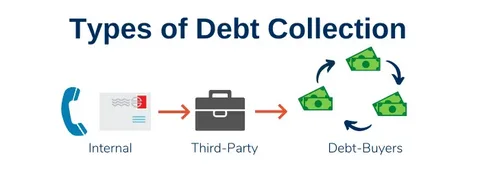
Debt is an integral part of the modern economy. Individuals, businesses, and even governments rely on borrowing to cover immediate expenses or to finance long-term projects. However, not every borrower fulfills their obligation on time. When payments are delayed or ignored, creditors face a difficult situation: they need to recover what is rightfully theirs while maintaining compliance with the law. This process is formally known as debt collection.
The Definition of Debt Collection
Debt collection refers to the process of pursuing payments owed by individuals or companies. In most cases, the creditor—such as a bank, a lending institution, or a service provider—first attempts to collect the overdue sum directly. If these efforts are unsuccessful, the creditor may turn to professional debt collection agencies or legal representatives.
At its core, debt collection is not only about requesting payment. It involves structured communication, adherence to strict legal frameworks, and often, negotiation between parties. Its goal is to recover the outstanding balance without escalating the conflict unnecessarily.
How the Debt Collection Process Works
Typically, the process begins with reminders and notices sent by the creditor. These may include phone calls, emails, or formal letters. If the debtor does not respond, the case is often referred to a specialized agency. Debt collection agencies use a range of methods, from structured repayment plans to more assertive approaches, always within the boundaries of applicable law.
In certain situations, creditors may pursue legal action. This can result in court judgments, wage garnishments, or liens on property. However, litigation is usually seen as a last resort because it is time-consuming and costly. Most creditors and debtors prefer to reach a settlement before matters reach the courtroom.
Legal Framework and Consumer Protection
Debt collection is heavily regulated to prevent abuse and harassment. For example, in the United States, the Fair Debt Collection Practices Act (FDCPA) establishes clear rules for how agencies may communicate with debtors. In the United Kingdom and the European Union, similar consumer protection laws apply. These regulations prohibit intimidation, threats, or misleading statements.
A professional debt collection process must balance the creditor’s right to recover their funds with the debtor’s right to be treated fairly. Ethical practice ensures that collection does not become exploitation, and that all parties are afforded transparency and dignity.
Why Debt Collection Matters
Efficient debt collection is crucial for the stability of the financial system. Without it, lenders would face enormous risks, leading to reduced access to credit for everyone. A functioning collection system reassures creditors that loans will be repaid, which allows them to offer more favorable terms.
On the other hand, proper collection practices benefit debtors as well. Structured repayment plans, negotiations, and consumer protection laws create an environment where individuals can address financial difficulties without facing undue pressure.
Debt Collection vs. Debt Recovery
The terms “debt collection” and “debt recovery” are often used interchangeably, but there is a subtle distinction. Debt collection typically refers to the initial stage, when agencies or departments attempt to secure payment through reminders and negotiations. Debt recovery, however, often involves more formal action, including legal proceedings. Understanding this difference helps businesses and consumers navigate the process more effectively.
Conclusion
Debt collection is more than just demanding payment—it is a structured, regulated process that plays a vital role in maintaining trust within the financial system. It ensures that creditors recover what they are owed while safeguarding the rights of debtors. By balancing firmness with fairness, debt collection supports economic stability and helps both businesses and individuals manage financial obligations responsibly.
