



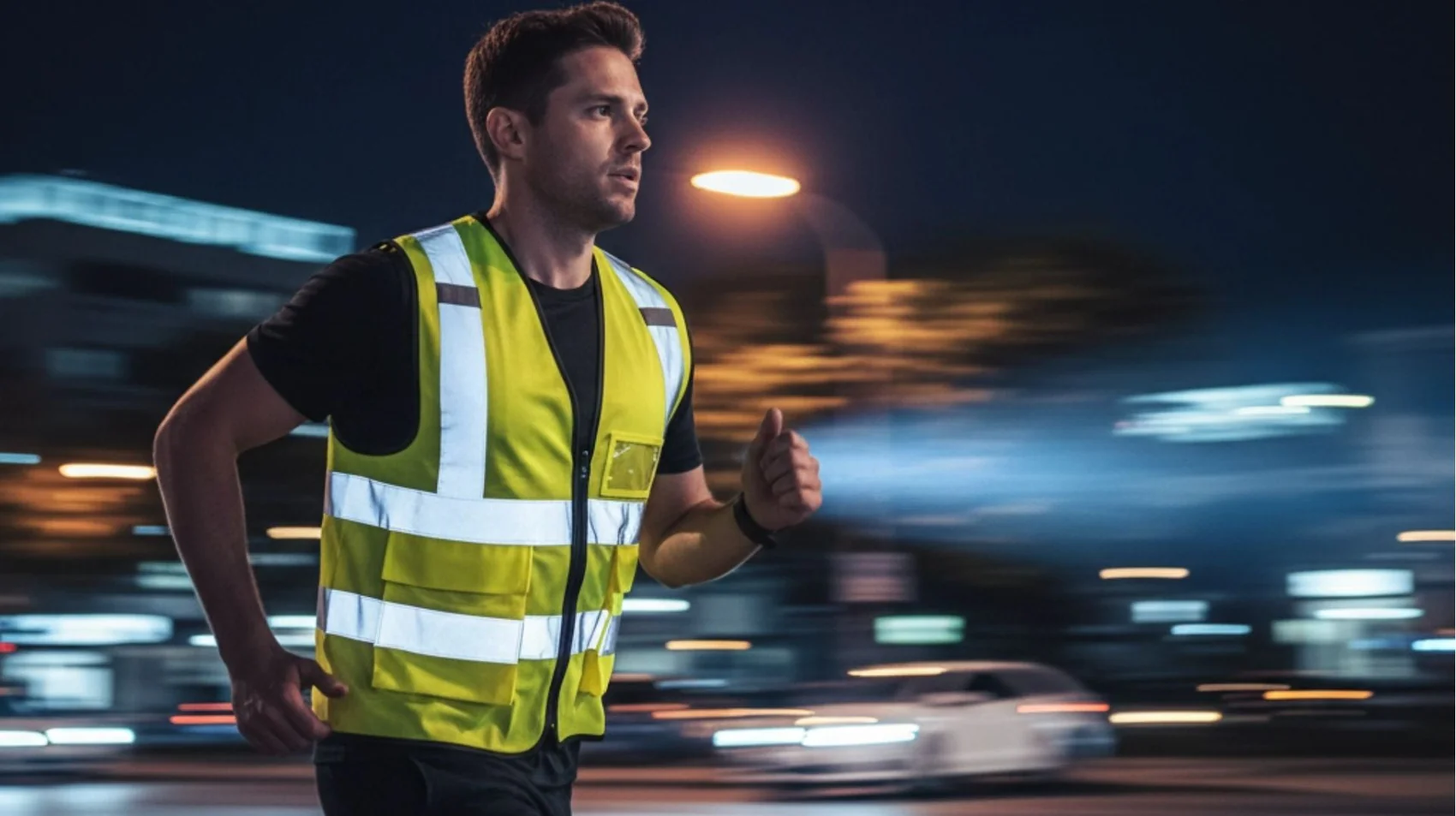
In construction zones, roadside work areas, logistics hubs, and utility projects, risk is an unavoidable part of daily operations. However, many job site injuries are preventable when proper protective measures are consistently implemented. Investing in high-quality safety apparel is one of the most effective ways employers can reduce hazards, improve worker visibility, and maintain compliance in high-risk environments.
Protective clothing serves as the first barrier between employees and potential job site dangers. It is far more than a standard uniform — it is specialized gear designed to enhance safety performance and minimize exposure to workplace threats.
The Reality of Risk in High-Exposure Industries
Industries such as construction, transportation, logistics, utilities, and roadwork consistently present elevated risk levels. Workers in these sectors are routinely exposed to:
- Moving traffic and heavy machinery
- Low-visibility weather conditions
- Electrical hazards
- Elevated work areas
- Confined spaces
- Extreme temperatures
In roadway projects, high-visibility garments ensure drivers can detect workers well before entering active zones. In warehouse and distribution settings, reflective materials allow forklift operators and heavy equipment drivers to clearly identify pedestrian movement. Utility workers performing electrical tasks depend on flame-resistant clothing to reduce injury severity during arc flash incidents.
Without adequate protective gear, both injury probability and liability risks increase substantially.
What Defines Effective Safety Apparel?
Not all protective garments provide equal performance. High-quality safety apparel integrates specialized features engineered specifically for hazardous work environments.
High-Visibility Materials
Fluorescent fabrics such as safety green and orange improve daytime detection. Reflective striping increases worker visibility in nighttime or low-light conditions. Proper garment construction ensures 360-degree recognition, giving workers protection from multiple angles.
ANSI/ISEA Compliance
Compliance with established ANSI standards guarantees minimum requirements for reflectivity, color coverage, and garment design. ANSI Class 2 and Class 3 apparel provide higher levels of visibility for workers exposed to faster-moving traffic or complex job sites.
Adhering to these standards protects workers and shields employers from regulatory violations.
Flame-Resistant (FR) Options
For utility professionals or workers near combustible materials, flame-resistant apparel reduces burn injury severity. Proper FR protection is essential when electrical or fire hazards are present.
Climate-Appropriate Design
Weather conditions significantly affect worker safety. Modern protective clothing includes:
- Moisture-wicking performance fabrics
- Insulated outer layers
- Waterproof shells
- Breathable construction materials
Comfort plays a vital role in compliance. If gear is uncomfortable, workers are less likely to wear it correctly or consistently throughout their shift.
The Business Case for Investing in Proper Gear
Some organizations mistakenly view protective clothing as a regulatory expense rather than a strategic investment. In reality, the financial implications of workplace injuries far outweigh the cost of high-quality safety apparel.
Workplace incidents often result in:
- Medical treatment costs
- Workers’ compensation claims
- Lost labor hours
- Increased insurance premiums
- Potential litigation
- Damage to company reputation
Proactive investment significantly reduces long-term operational risk. Well-equipped crews experience fewer preventable injuries, less downtime, and improved project timelines.
Productivity and Morale Benefits
Safety apparel also contributes directly to performance and morale.
Increased Focus and Confidence
Workers who feel adequately protected are more focused and less distracted by potential hazards. Confidence improves decision-making and workflow consistency.
Reduced Physical Strain
Lightweight, breathable materials minimize overheating and discomfort during extended work hours. Reduced fatigue leads to steadier productivity levels.
Professional Image
High-quality, uniform protective gear reinforces a company’s commitment to safety. Clients, inspectors, and project partners recognize visible investment in worker protection. This professionalism can strengthen competitive positioning during bidding processes.
Selecting a Reliable Safety Apparel Supplier
Choosing the right provider is just as important as choosing the right garments. Organizations operating in construction, logistics, roadwork, and utilities should seek suppliers that offer:
- Verified compliance certifications
- Durable stitching and reinforced construction
- Consistent inventory availability
- Competitive bulk pricing
- Industry-specific product selections
- Reliable shipping timelines
Dependability ensures crews remain fully equipped without project disruptions caused by delayed procurement.
Strengthening Workplace Safety Culture
Safety apparel symbolizes more than compliance — it reflects leadership priorities. When companies consistently invest in protective gear, they communicate that employee well-being is a core value, not an afterthought.
A strong safety culture results in:
- Higher worker accountability
- Reduced incident rates
- Improved morale
- Enhanced organizational reputation
Protective gear becomes part of daily operational discipline, reinforcing safety awareness across teams.
Final Thoughts
High-risk industries cannot eliminate every hazard, but they can dramatically reduce preventable injuries through intentional planning and high-quality protective solutions. Proper safety apparel enhances visibility, supports regulatory compliance, improves worker comfort, and protects organizational stability.
For companies seeking dependable, industry-grade protective solutions tailored to construction, transportation, utilities, and roadwork professionals, National Safety Gear offers a comprehensive selection built to meet demanding job site requirements. Explore their full range today and take a decisive step toward building safer, more productive worksites.
