



Brushing your teeth is one of the simplest parts of a daily routine, yet many people still do it incorrectly without realizing the long-term impact. Good brushing habits are not just about keeping your teeth looking clean. They also help protect your gums, preserve enamel, and reduce the risk of cavities, bad breath, and sensitivity. When brushing is done the wrong way, even with good intentions, it can slowly work against your oral health instead of supporting it.
Brushing Too Hard
One of the most common mistakes is brushing with too much force. Many people assume that harder brushing means a deeper clean, but that is not true. In reality, brushing aggressively can wear down enamel and irritate the gums. Over time, this may lead to gum recession and increased tooth sensitivity. A gentle, controlled technique is far more effective than scrubbing your teeth with pressure.
Not Brushing Long Enough
Another frequent problem is rushing through the process. Brushing for only 20 or 30 seconds may feel like enough when you are busy, but it does not give you enough time to clean all tooth surfaces properly. Dentists generally recommend brushing for two full minutes, twice a day. Cutting that time short often means plaque remains in hard-to-reach areas, especially along the gumline and around the back teeth.
Using the Wrong Technique
Many people move the toothbrush back and forth in a harsh horizontal motion. This can be tough on both teeth and gums. A better approach is to use small, gentle motions and make sure each section of the mouth gets equal attention. The angle of the brush also matters. Holding it properly near the gumline helps remove buildup more effectively than simply brushing the middle of the teeth.
Forgetting the Gumline and Tongue
A bright smile is not only about the visible front surface of the teeth. Plaque often accumulates near the gumline, which makes this area especially important. Ignoring it can increase the risk of gum inflammation. The tongue is also commonly overlooked, even though bacteria on the tongue can contribute to bad breath. A more complete routine includes cleaning the tongue gently as well.
Keeping the Same Brush for Too Long
A toothbrush does not stay effective forever. Worn bristles lose their ability to clean properly and may become too rough or uneven. If you keep the same brush for too long, your daily routine becomes less efficient. Replacing your toothbrush or brush head regularly is a small habit that can make a noticeable difference in oral hygiene.
Choosing Tools That Do Not Support Good Habits
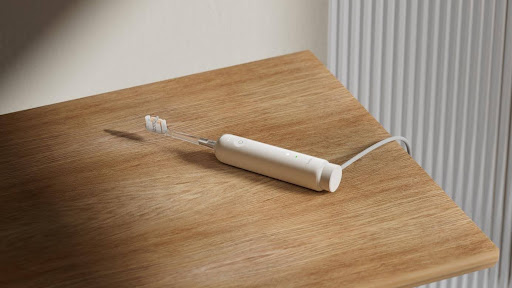
Sometimes the issue is not only technique but also the tool being used. A brush that is uncomfortable, inefficient, or poorly designed may make it harder to maintain consistent results. Choosing a high end electric toothbrush can help improve brushing accuracy, comfort, and overall consistency, especially for people who want a more advanced approach to daily oral care.
Skipping Consistency
Even the best brushing method will not help much if it is not done consistently. Skipping nighttime brushing is particularly harmful because plaque and food particles stay on the teeth for hours while you sleep. Consistency matters just as much as technique, and building a reliable routine is one of the best ways to protect your smile.
Final Thoughts
Healthy teeth and gums depend on more than simply brushing every day. The way you brush, the time you spend, and the tools you use all play an important role. By avoiding these common toothbrushing mistakes, you can protect your enamel, support your gums, and keep your smile looking its best for years to come.
