



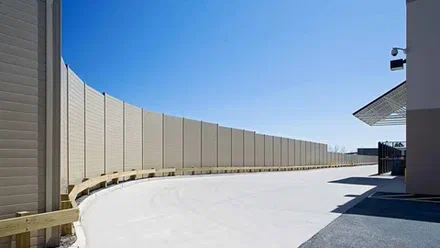
Building a secure boundary for your business starts with selecting the right material. Many owners feel overwhelmed by the sheer number of commercial fencing materials available. A professional commercial fencing company usually helps by narrowing down these options based on your specific needs. These materials include chain link and heavy steel for maximum security. Aluminum provides a rust-proof option, while vinyl and composite offer low maintenance for modern designs. Wrought iron adds a premium look to corporate offices. Wood remains a classic choice for natural aesthetics. Finally, specialty crash-rated systems protect high-risk zones against extreme physical impacts.
Popular Materials Utilized by Commercial Fencing Providers
Now let’s explore the common materials used by professionals.
-
Chain Link Fencing Materials
Chain link is a classic choice for many reasons. Most companies use galvanized steel for this type of fencing. The zinc layer protects the metal from rain and humidity. You can also choose vinyl-coated chain link. This looks much better than plain gray metal. It also adds an extra layer of protection against the sun.
- It is used in large warehouses.
- Schools use it for safe playgrounds.
- Storage yards use it to secure equipment.
- It works well for large commercial spaces.
- It is a very cost-effective security option.
-
Steel Fencing Materials
When you need maximum strength, steel is the best answer. These fences use heavy-duty panels. They are much harder to break than aluminum or wood. Many high-security places use welded steel. The bars are fused together so they cannot be pried apart. This material is standard for power plants and water utilities. It can handle a hit from a heavy vehicle. Steel lasts for decades if it has a protective finish. It is heavy and stays in place during bad storms.
-
Aluminum Fencing Materials
Aluminum fencing is lighter than steel. But it still offers good performance.
- It is rust-resistant
- Often comes with powder-coated finishes
You will see aluminum fences around office parks and retail spaces. They look neat. And they require little maintenance.
For example, a shopping center may use aluminum fencing to create a clean boundary without making the place look closed off.
It is a balance between looks and function.
-
Vinyl Fencing Materials
Vinyl fencing is a modern option. It is made from PVC panels.
Here are some key points:
- Low maintenance material.
- Resistant to weather and moisture.
- Does not fade easily.
- Provides strong privacy.
- Clean appearance.
- No need for painting.
- Long-lasting performance.
This type is used for enclosures and private areas. It works well when appearance matters.
But is it strong enough? For most commercial uses, yes. Just not for extreme security needs.
-
Wrought Iron and Ornamental Iron Fencing
This material is for premium security. Real wrought iron is heavy and forged by hand. Modern versions use steel but look like the old style. It adds a decorative appeal to corporate buildings. Most of it is powder-coated to stop rust.
- Corporate headquarters use it for prestige.
- Private institutions like it for privacy.
- Upscale properties choose it for the look.
- It offers a moderate level of safety.
- The pikes on top stop climbers.
-
Wood Fencing Materials (Commercial Use)
Wood is great for a natural look. Most fencing companies use cedar or pressure-treated pine. Cedar offers a pleasant aroma and maintains its structural alignment.
- It works for temporary construction borders.
- It makes great privacy screens.
- Restaurants use it for cozy patios.
- It is a popular aesthetic choice.
- It requires regular staining to stay healthy.
-
Composite Fencing Materials
Composite fencing is a mix of wood fibers and plastic. It is designed to last longer than standard natural wood.
- Resistant to rot and insects
- Handles weather well
- Requires minimal maintenance
This material is used in modern commercial designs. It gives a neat look without much upkeep.
And it solves many problems that wood has. But it can cost more at the start.
-
Specialty and High-Security Fence Materials
Some locations need extra protection. This is where specialty fencing comes in.
- Crash-rated steel systems
- Reinforced fencing structures
- Electric fencing options
- Barbed wire attachments
- Anti-climb designs
These are used in high-risk zones like utilities and military sites.
So what if security is critical? Then these options become necessary. They are not for every business. But they serve a clear purpose.
Conclusion
Selecting the right fence is a big investment for any business owner. You have to think about the long-term goals of your company. A reliable commercial fencing company will provide the best advice for your location. Common fencing materials range from chain link to strong steel designed for high security needs. Aluminum is widely used because it resists rust and requires minimal maintenance. Vinyl and composite materials are preferred for their low maintenance and clean look. Wrought iron is often selected for its decorative appeal in business spaces. Wood fencing offers a natural touch for certain settings. And advanced crash-resistant systems help protect critical areas from strong impacts and forced entry attempts.
